Red Panda Social Life

Chandan Singh
| 05-03-2026
 · Animal Team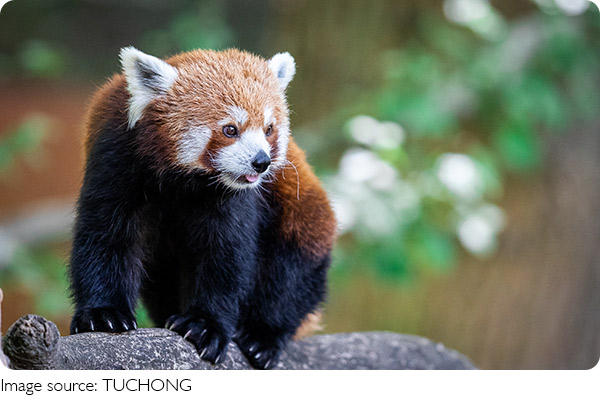
Watching a red panda pause atop a branch, lifting its head to sniff the air, it's hard not to wonder how these elusive animals navigate their solitary world.
Though often seen alone, red pandas lead a complex social life, relying on a mix of scent signals, vocalizations, and subtle body movements to communicate with one another across the dense forests of the Himalayas and surrounding mountain ranges. Understanding these behaviors reveals the hidden intricacies of their interactions and the strategies they use to survive.
Territorial Marking and Scent Communication
1. Scent Marking
Red pandas use specialized scent glands on their bodies to leave marks on trees and rocks. These chemical signals allow them to indicate territory boundaries and reproductive readiness. In the wild, a single scent mark can convey information about the individual's presence and status, helping avoid unnecessary confrontations.
2. Tree Rubbing and Visual Cues
Beyond scent, red pandas often rub their bodies against tree trunks, leaving signals that communicate their presence to others. Dominant individuals tend to choose prominent trees, ensuring their markings are easily noticed.
3. Spatial Awareness
These markings help red pandas navigate overlapping ranges without frequent direct encounters. Recognizing scent boundaries allows them to maintain their solitary habits while remaining aware of neighbors in their territory.
Vocalizations and Acoustic Communication
1. Whistles, Hisses, and Tweets
Red pandas employ a variety of vocal sounds. A high-pitched whistle often signals curiosity or mild alertness, while hissing and growling indicate caution or agitation. In captivity, caretakers have noticed a series of soft “twittering” sounds during social interactions, especially between mothers and cubs.
2. Alarm Signals
When potential threats are nearby, red pandas can emit short, sharp calls as alerts to others. These signals help maintain awareness and safety without direct confrontation.
3. Mother-Cub Communication
Young red pandas rely on calls to get attention and reassurance from their mothers. Mothers respond with a combination of sounds and body gestures, reinforcing bonds and facilitating feeding, grooming, and protection.
Body Language and Interaction
1. Postures and Tail Use
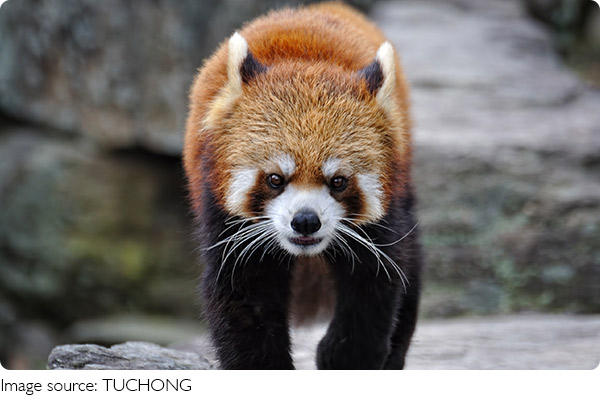
Body positioning is key in red panda communication. Tail curling, arching the back, or crouching can convey submission, aggression, or readiness to play. A raised tail with a slight curl often signals alertness or curiosity.
2. Play and Social Learning
Although mostly solitary, red pandas occasionally engage in play, especially juveniles. Wrestling, chasing, and climbing exercises strengthen physical skills and teach young pandas how to read visual and vocal signals from peers.
3. Conflict Resolution
When disputes occur, red pandas often rely on posturing and gestures before physical confrontation. This non-verbal communication reduces risk of injury and helps balance solitary living with overlapping territories.
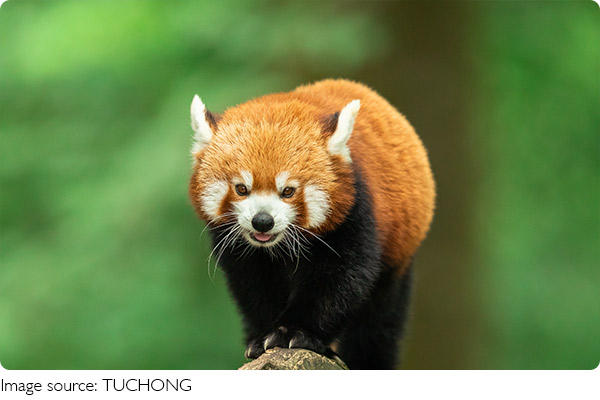
Red pandas may appear quiet and solitary, but their social world is rich with signals. Observing scent marks, listening to whistles and hisses, and noting subtle body movements reveals a complex communication system that allows them to navigate territory, reproduction, and survival without constant direct contact. Understanding these behaviors emphasizes the importance of conserving their natural habitats, where these delicate interactions can continue undisturbed. Observing these remarkable animals invites a deeper appreciation for the sophistication of communication in the wild, reminding us that even the quietest creatures have rich social lives worth protecting.