Choosing Your Brew Method

Pardeep Singh
| 05-03-2026
 · Food Team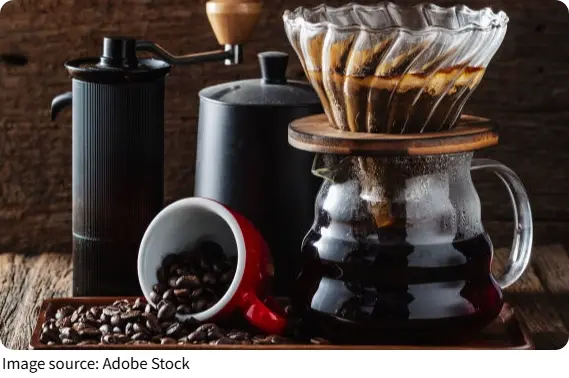
The alarm goes off, and before your eyes fully open, one question forms: how will you brew your coffee today? Some mornings demand speed; others invite a slower ritual. The method you choose—French press, pour-over, espresso, AeroPress, or cold brew—does more than produce caffeine.
It shapes flavor, texture, strength, and even the pace of your day. Understanding these brewing styles helps you match your cup to your lifestyle rather than forcing your routine to fit the brew.
French Press: Bold and Full-Bodied
1. Flavor Profile
The French press produces a rich, full-bodied cup. Because the metal mesh filter allows natural oils and fine particles to remain, the result is heavier in texture with deeper mouthfeel.
2. Brewing Process
Coarsely ground coffee steeps directly in hot water (around 93–96°C) for about four minutes before pressing. The immersion method extracts robust flavors without paper filtration.
3. Best For
This method suits those who enjoy strong, textured coffee and have a few quiet minutes in the morning. It works well for home settings where bold flavor matters more than clarity.
Pour-Over: Clean and Precise
1. Flavor Profile
Pour-over brewing highlights clarity and brightness. The paper filter removes most oils and sediments, resulting in a crisp, transparent cup that showcases subtle tasting notes.
2. Brewing Process
Hot water is poured slowly over medium-fine grounds in controlled circular motions. Total brew time typically ranges from two to three minutes, depending on grind size and dose.
3. Best For
Ideal for detail-oriented drinkers who appreciate nuance. If you enjoy identifying floral, citrus, or chocolate undertones, pour-over rewards patience and attention.
Espresso: Concentrated and Intense
1. Flavor Profile
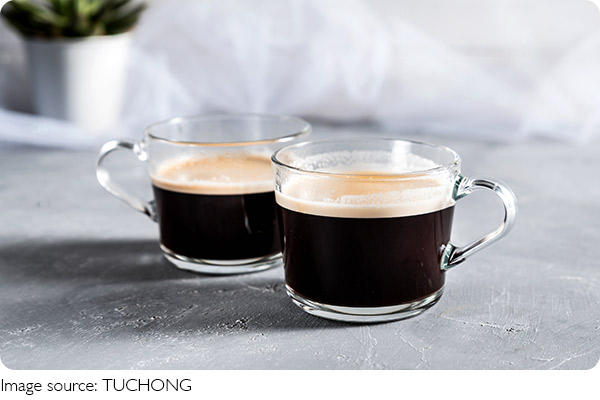
Espresso is bold, concentrated, and layered. Pressurized water passes through finely ground coffee in about 25–30 seconds, producing a small but powerful shot topped with crema.
2. Brewing Process
An espresso machine forces water through compacted grounds at high pressure. Precision in grind size, tamping, and extraction time determines balance and sweetness.
3. Best For
Perfect for busy mornings or those who prefer milk-based drinks like lattes or cappuccinos. Espresso suits fast-paced lifestyles that still demand intensity and depth.
AeroPress: Versatile and Travel-Friendly
1. Flavor Profile
The AeroPress offers flexibility. Depending on technique, it can mimic espresso strength or produce a smoother, lighter cup. Its microfilter reduces grit while preserving body.
2. Brewing Process
Coffee steeps briefly before pressure is applied manually through a plunger. Brew time is usually under two minutes, making it efficient and adaptable.
3. Best For
Great for travelers, office workers, or anyone with limited space. It combines portability with control, allowing experimentation without expensive equipment.

Cold Brew: Smooth and Low-Acidity
1. Flavor Profile
Cold brew is smooth, mellow, and naturally sweeter due to its long extraction at low temperature. It typically contains less perceived acidity than hot-brewed coffee.
2. Brewing Process
Coarsely ground coffee steeps in cold water for 12–24 hours. The concentrate is then filtered and diluted before serving over ice or with milk.
3. Best For
Ideal for those who plan ahead and prefer a refreshing option, especially in warm weather. It suits busy individuals who want ready-to-pour convenience throughout the week.
Choosing a brewing method is less about trends and more about rhythm. French press invites a slower start; pour-over rewards precision; espresso delivers power; AeroPress adapts to movement; cold brew values preparation and smoothness. Your lifestyle, taste preferences, and available time all influence which method feels right.
Tomorrow morning, pause for a moment before reaching for your kettle or machine. Consider not just how strong you want your coffee, but how you want your day to begin. The brew you choose might quietly set the tone for everything that follows.