Mountaintop Plant Losses

Pankaj Singh
| 26-09-2026
 · Nature Team
Europe’s mountain summits may appear to be becoming more biodiverse as temperatures rise, but a new study suggests that this apparent success hides a worrying trend.
While more plant species are moving uphill into warmer mountain environments, species specially adapted to high elevations are increasingly disappearing from individual summits.
The research, published in Science, analysed long-term vegetation records from 62 mountain summits across Europe. Scientists found that local plant losses have accelerated over the past two decades, raising concerns that increasing species numbers alone may give an incomplete picture of how warming is reshaping alpine ecosystems.
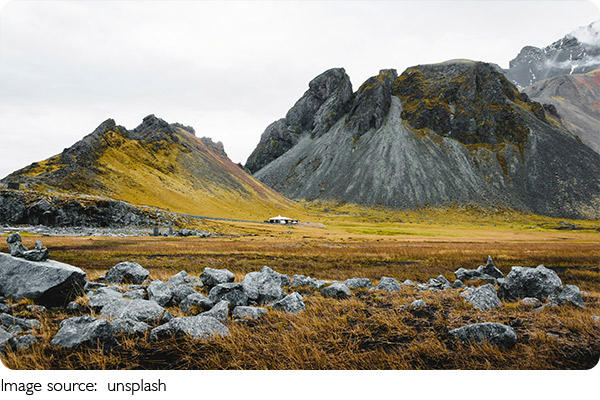
Mountain Plants Are Moving Upward
For much of history, high mountain environments acted as a powerful natural barrier. Short growing seasons, persistent frost and low temperatures prevented many plants from surviving close to mountain summits.
As Europe has warmed, those restrictions have weakened. Plants that previously lived at lower elevations have increasingly expanded upward, bringing new species into alpine communities.
At first glance, this can look like a positive development because the total number of plant species on many summits has increased. However, the new study shows that this increase is occurring alongside growing losses of species that were already adapted to life at high elevations.
More Species Can Hide Important Losses
Researchers examined data collected through GLORIA, an international programme that monitors high-mountain biodiversity.
The 62 European summits included in the study were surveyed four times between 2001 and 2022. Scientists compared which plant species were present during each survey and recorded those that could no longer be detected.
The percentage of species disappearing from individual summits increased with every survey period. Plants whose typical distribution is centred above the summit being studied were particularly likely to be among those lost.
This means that high-elevation specialists — species already living near the colder end of Europe’s mountain environments — may face a growing disadvantage as temperatures continue to rise.
Warming Was Closely Linked To Disappearance
Johannes Wessely of the University of Vienna, the study’s first author, explained that plants were more likely to disappear from summits that had experienced stronger warming. He noted that the relationship with temperature increase was even stronger than the general effect of time itself.
The risk of local disappearance also increased toward the warmer, lower edge of a species’ natural elevation range.
Harald Pauli, who coordinates GLORIA at the Austrian Academy of Sciences and BOKU University, explained that plants already growing in warmer-than-average parts of their range appeared more vulnerable to additional temperature increases.
Some Losses May Have Been Delayed For Decades
High-mountain specialists are often unusually tolerant of harsh conditions and can live for many years. These characteristics may help them survive environmental change for a long time even when conditions are gradually becoming less suitable.
Scientists describe this delayed response as an “extinction debt.” A population may continue to exist for years after environmental conditions have started moving beyond what it can tolerate, but numbers can slowly decline until the species eventually disappears from that location.
The study found that local extinctions were often preceded by longer periods of population decline, supporting the possibility that some of today’s losses reflect warming that began decades ago.
Project coordinator Stefan Dullinger cautioned, however, that the extinction-debt explanation still requires further investigation. He said the rising disappearance rates could represent delayed consequences of earlier environmental change, but more research is needed to confirm that interpretation.
A Changing Future For Alpine Ecosystems
The findings show why counting the total number of species on a mountain summit may not be enough to judge the health of an ecosystem.
A summit can gain new plants from lower elevations while simultaneously losing rare specialists that cannot simply move higher once they reach the top. The result may be greater species richness in the short term but a gradual erosion of the distinctive plant communities that make alpine ecosystems unique.
Long-term monitoring will therefore be essential. As warming continues, researchers will need to track not only which species arrive on Europe’s mountains, but also which long-established specialists quietly disappear.